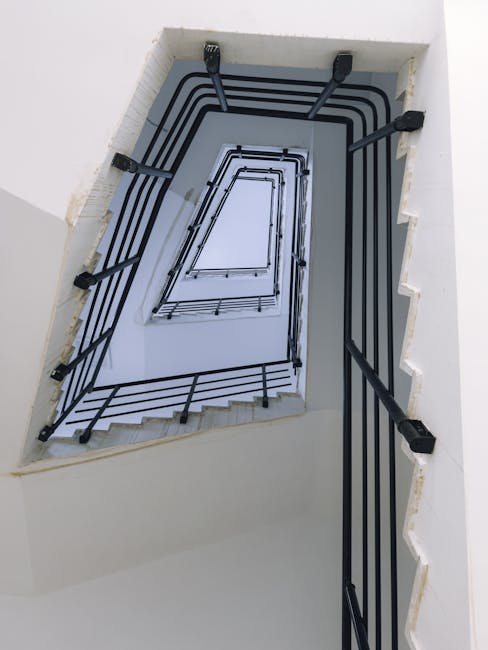
Avoiding Stairwell Damage in Harrow Flats: Expert Fixes
If you live in, manage, or move through a flat in Harrow, the stairwell is usually the first place things get awkward. Narrow turns, scuffed paint, awkward banisters, low lighting, maybe a neighbour coming down with shopping at exactly the wrong moment. It only takes one careless corner to leave a mark. Avoiding Stairwell Damage in Harrow Flats: Expert Fixes is really about reducing that risk before it turns into a repair bill, a complaint, or a tense conversation in the hallway.
This guide breaks down what causes stairwell damage, how to prevent it, and what practical fixes actually work in real Harrow flats. You will find clear steps, a checklist, and a few judgement calls that matter more than people think. To be fair, most stairwell damage is not dramatic. It is the small, repeated stuff that adds up.
Table of Contents
- Why it matters in Harrow flats
- How the damage-prevention process works
- Key benefits and practical advantages
- Who this is for and when it makes sense
- Step-by-step guidance
- Expert tips for better results
- Common mistakes to avoid
- Tools, resources and recommendations
- Law, compliance, standards and best practice
- Options, methods and comparison table
- Case study or real-world example
- Practical checklist
- Conclusion
- Frequently asked questions
Why Avoiding Stairwell Damage in Harrow Flats: Expert Fixes Matters
Stairwells in flats carry more than people. They carry furniture edges, delivery boxes, vacuum cleaners, prams, suitcases, wet shoes in winter, and the occasional overconfident attempt to "just carry it ourselves". In older Harrow buildings, stairwells can be tight, worn, and shared by multiple households, so damage shows up quickly and stays visible.
The issue is not only cosmetic. A chipped wall, loose handrail, cracked step nosing, or broken light fitting can create a chain reaction. A minor scuff becomes a complaint. A damaged banister becomes a safety concern. A blocked landing can slow down a move and make everyone miserable for an hour, sometimes more. Let's face it, nobody enjoys carrying a wardrobe up two flights while trying not to clip the wall.
Preventing stairwell damage also protects relationships in the building. Shared spaces work best when everyone sees that they are being treated with care. That matters in smaller blocks especially, where one bad move can affect the feel of the whole property.
Expert summary: The best stairwell protection is rarely one single product or one clever trick. It is a mix of planning, protection, pacing, and good handling on the day.
How Avoiding Stairwell Damage in Harrow Flats: Expert Fixes Works
The process works by reducing contact points, controlling movement, and protecting the vulnerable parts of the building before anything heavy starts moving. In practice, this means looking at the stairwell like a route rather than a background feature. Which corners are tight? Where does the wall project out? Is the handrail solid? Are the steps worn or uneven? Where will furniture need to be turned?
Once you know the pinch points, you can choose the right protection. That might mean temporary wall covers, corner guards, padded wraps for furniture, floor runners, or simply rethinking the order in which items come out of the flat. Often, the fix is less about force and more about sequence. You can save a lot of pain by moving the largest awkward item last, not first.
Good stairwell damage prevention also involves communication. In a flat block, residents, landlords, and movers need to know when the route will be used, whether the lift is available, and what should be left clear. A five-minute conversation beats a full-blown hallway drama later. Slightly old-fashioned advice, maybe, but it works.
Key Benefits and Practical Advantages
There are obvious gains, and a few less obvious ones too. The obvious ones are fewer marks on walls, less risk of broken trims, and fewer repair costs. The less obvious ones are quicker moves, less stress, and fewer arguments about responsibility after the fact.
- Lower repair costs: Preventing damage is nearly always cheaper than repairing plaster, repainting walls, or replacing fittings.
- Safer movement: Clear, protected stairwells reduce trip hazards and awkward lifting.
- Better neighbour relations: Shared spaces stay usable and respectful for everyone.
- Faster access: A planned route usually means fewer stops and fewer awkward reversals.
- Less wear over time: Protection during repeated moves helps preserve older communal areas.
There is also a psychological benefit. When a stairwell looks tidy and well managed, the whole move feels calmer. That sounds small, but anyone who has tried to carry a sofa around a tight landing at 7:30 on a damp Tuesday will know it is not small at all.
Who This Is For and When It Makes Sense
This is useful for flat owners, tenants, landlords, letting agents, property managers, and removal teams working in Harrow. It is especially relevant if the building has narrow staircases, older finishes, limited lift access, or shared common areas that are already a bit tired.
It also makes sense when the move includes bulky items like wardrobes, beds, white goods, office furniture, or anything with awkward edges. If a piece needs turning at shoulder height, that is your sign to slow down and plan properly. Not every staircase can absorb improvisation. Some can, sure. Many cannot.
You may also need these fixes if a building has recent maintenance work, fresh paint, or fragile details like corner mouldings and lightweight bannisters. New finishes can mark surprisingly fast.
In our experience, the people who benefit most are the ones who think ahead by even one extra step. That extra step pays off.
Step-by-Step Guidance
Here is a practical way to approach stairwell protection before and during a move or heavy carry.
- Inspect the route first. Walk the stairwell slowly and note narrow bends, overhanging fixtures, slippery steps, and any loose fittings.
- Measure the largest items. Check whether furniture can actually turn on landings without scraping the wall. Guessing is a bad hobby here.
- Clear the path. Remove mats, loose shoes, bins, bikes, and any temporary clutter from landings and entrance areas.
- Protect contact points. Use padded wraps, blankets, corner protection, and floor coverings where bumps are most likely.
- Assign roles. One person leads, one supports, and one watches the wall, floor, or handrail. Three jobs, not five people all shouting different instructions.
- Move the most awkward items with a plan. Rotate, tilt, and guide items rather than forcing them straight through.
- Pause at tight points. A short stop to reset grip or angle is better than a rushed scrape.
- Check after each run. Look for fresh marks, shifted protection, or loose debris on the steps.
A simple rule helps: if you have to push hard, you probably need to change the angle, not increase the effort. That is usually where damage starts.
Expert Tips for Better Results
Small adjustments make a big difference in stairwell protection. The best teams are not always the strongest ones. They are the ones who notice the awkward bits early.
1. Use protection where people actually brush, not just where it looks vulnerable
People often wrap the obvious corner and forget the mid-wall section where a mattress edge sways on the turn. The scuff usually appears where nobody thought to look. Classic.
2. Don't let one person carry too much of the load
Uneven lifting causes wobble, and wobble causes wall contact. Share weight properly and keep communication short and clear.
3. Protect at the right height
Furniture damage is not always a floor-level problem. Sofa arms, bed frames, and appliance corners often strike around waist to shoulder height. That is where wall protection should be generous.
4. Plan around the building's realities
Older Harrow flats can have tight turns, narrow flights, and worn finishes that do not forgive mistakes. If the stairwell is cramped, choose a slower pace and break the move into smaller loads. It sounds less efficient, but usually it is faster overall.
5. Keep the route dry and well lit
Wet shoes, condensation, and poor lighting are a bad mix. Even a clean stairwell becomes risky if the landing is dim or damp. A torch, extra lighting, or simply moving during better daylight can help more than people expect.
One more thing: if you can hear items scraping, stop immediately. That sound is usually the warning, not the aftermath.
Common Mistakes to Avoid
Most stairwell damage comes from familiar errors. None of them are shocking. They are just the sort of things people do when they are in a rush.
- Rushing the first item through: The first large object often sets the tone. If it is forced, the rest usually follow the same bad pattern.
- Using too little protection: A single thin blanket is not the same as proper wall or furniture protection.
- Ignoring landings: Landings are where turning happens, and turning is where damage happens.
- Leaving clutter on the route: A small shoe rack or bin can become a trip point at the worst moment.
- Not checking handrails: Loose rails and brackets can make a stable carry feel unstable very quickly.
- Assuming a lift solves everything: Some items still need the stairwell, and some buildings have lift restrictions or awkward loading points.
- Skipping a final inspection: A quick walk back through the stairwell helps catch fresh marks before they become a bigger issue.
Truth be told, a lot of damage happens because the group thinks, "It'll be fine, we're nearly there." Famous last words, and not in a good way.
Tools, Resources and Recommendations
You do not need a warehouse full of equipment, but a few sensible tools make stairwell protection much easier. Choose tools based on the route, the item size, and how fragile the building is.
| Tool or resource | Best used for | Why it helps |
|---|---|---|
| Padded furniture blankets | Tables, sofas, cupboards, bed frames | Reduces direct impact and scuffing |
| Corner guards | Wall edges, turns, door frames | Protects the most exposed points on narrow staircases |
| Floor runners | Shared hallway and stair tread protection | Helps reduce dirt transfer and surface wear |
| Straps and harnesses | Heavy or awkward items | Improves control and reduces wobble |
| Gloves with grip | General handling | Improves control and comfort on longer carries |
| Basic route plan | Any flat move or furniture delivery | Helps everyone understand turns, pauses, and order |
When deciding what to use, be realistic about the stairwell. A wide modern block and a narrow older conversion are not the same job. If the space is tight, more protection is usually better than less, even if it takes a few extra minutes to set up.
If you are arranging a move and want to compare options, it can help to review pricing and quote information early so you can factor in the level of access and the amount of protection likely needed. That tends to reduce surprises later on.
You can also learn more about the company's approach to care and handling through the insurance and safety information and the health and safety policy.
Law, Compliance, Standards or Best Practice
For stairwell work in flats, the biggest practical point is duty of care. Residents, landlords, managing agents, and contractors all have a role in keeping shared areas reasonably safe and in avoiding preventable damage. The exact legal responsibilities vary depending on the building, tenancy, lease terms, and who is organising the work, so it is wise to check the relevant documents rather than assume.
In everyday terms, best practice usually means:
- keeping communal routes clear before moving day
- protecting walls, corners, and floors where contact is likely
- making sure lighting is adequate
- using competent, careful handling for heavy or awkward items
- documenting any pre-existing damage before work begins
If a building has management rules for shared spaces, follow them. If the stairwell has existing wear, note it politely and honestly. That simple record can save a lot of back-and-forth if questions arise afterwards.
For those using a removals provider, it is sensible to review their operating standards before booking. Pages such as about the company, terms and conditions, and complaints procedure can help set expectations around service, responsibility, and how issues are handled if something does go wrong.
Options, Methods, or Comparison Table
There are a few ways to protect a stairwell. Some are better for small jobs; others suit full flat moves. The right choice depends on the route, the item size, and how much foot traffic the building gets.
| Method | Best for | Strengths | Limitations |
|---|---|---|---|
| Minimal protection | Light items, open stairwells | Quick and inexpensive | May be insufficient for tight corners or fragile finishes |
| Targeted protection | Most Harrow flat moves | Balances time, cost, and coverage | Needs accurate placement |
| Full route protection | Large moves, older buildings, sensitive communal areas | Highest level of protection | Takes longer to set up and may cost more |
In practice, targeted protection is often the sweet spot. It covers the high-risk areas without turning the move into a construction site. Unless the stairwell is especially tight or freshly decorated, that tends to be enough.
Case Study or Real-World Example
A small Harrow flat move on a rainy weekday morning is a pretty typical test. The building had a narrow internal stairwell, a sharp landing turn, and freshly painted walls in the lower hall. The first step was not lifting anything. It was checking the route.
The team identified two pinch points: the turn on the first landing and the edge of a low wall beside the banister. They laid temporary protection in both spots, cleared loose items from the stairs, and moved the bed frame before the heavier wardrobe. That order mattered. The bed frame was easier to angle, so it gave everyone a bit of rhythm before the more awkward piece.
There was one near miss. A mattress corner drifted wide on the turn and tapped the wall covering. Nothing major, but enough to show why one person should always watch the outside edge of the item. After that, the rest of the move went smoothly. No marks. No arguments. No one had to stand in the hallway pretending the scratch was already there.
The useful lesson? Most successful stairwell protection is quiet. No drama, no big rescue moment, just a series of sensible choices done before anyone gets tired.
Practical Checklist
Use this checklist before moving anything through a flat stairwell in Harrow.
- Have I checked the full route from the flat to the exit?
- Are the stairs, landings, and handrails clear of clutter?
- Have I noted any pre-existing scuffs, chips, or loose fittings?
- Is the lighting good enough for safe carrying?
- Do I have protection for walls, corners, and floors?
- Are the largest items measured and planned for?
- Has each person been told their role?
- Are wet shoes, spills, or debris likely to make the route slippery?
- Have I protected fragile or freshly decorated sections first?
- Will I check the stairwell again after the move?
If you can tick most of those off, you are already ahead of the game. The rest is usually about staying calm and not trying to beat the staircase.
Conclusion
Avoiding stairwell damage in Harrow flats is not about perfection. It is about respect for the building, for the people who live there, and for the fact that stairs are unforgiving when people get careless. Good planning, proper protection, and sensible handling go a long way, especially in older blocks where the margins are slim.
If you are preparing for a move, a delivery, or a property handover, take a few extra minutes to inspect the route and protect the vulnerable spots. That small effort often saves hours later. And honestly, it just makes the whole day feel less fraught.
Get a free quote today and see how much you can save.
If you want to understand how a careful, organised service approaches these jobs, you may also find the company's recycling and sustainability information useful when planning what to keep, move, or dispose of responsibly.
Sometimes the best move is the one nobody notices. That is the real win.
Frequently Asked Questions
What causes stairwell damage in flats most often?
Usually it is a mix of tight corners, rushed lifting, poor protection, and items that are bigger than the route can comfortably handle. Fresh paint and narrow landings make the problem show up faster.
How do I stop furniture from scraping the walls in a narrow stairwell?
Use padded wraps, assign someone to guide the outer edge of the item, and move slowly through the turn. If the item is very awkward, it may need to be tilted or rotated before the corner rather than forced through it.
Is it better to use a lift or the stairs to avoid damage?
It depends on the building and the item. A lift can reduce stairwell wear, but large furniture may still need the stairs. The safest option is whichever route can be used with the least force and the best control.
Should stairwells be protected before a move?
Yes, especially in older or shared buildings. Temporary protection on corners, walls, and floors helps prevent scuffs and is usually much easier than repairing damage afterwards.
What should I check in a Harrow flat before moving anything?
Check stair width, landing space, lighting, handrail condition, and any clutter in the shared route. It is also worth noting any existing marks so there is no confusion later.
Can landlords or managing agents ask for stairwell protection?
Yes, they often can as part of building access rules or general care of communal areas. The exact arrangement depends on the property, but reasonable protection is a very common expectation.
How long does it take to protect a stairwell properly?
It varies by building size and route complexity. A simple stairwell may only take a short setup, while a tighter block with multiple turns may need more time. Rushing this part is rarely worth it.
What is the biggest mistake people make during flat moves?
Trying to move a large item before they have fully checked the route. That is when people discover a tight turn, a low rail, or a wall edge too late. By then, the item is already committed, which is never ideal.
Do I need specialist equipment for stairwell protection?
Not always. For many moves, blankets, corner guards, floor runners, and good lifting technique are enough. For larger or more complex items, extra equipment and careful planning become more important.
How do I know if a stairwell is too tight for a piece of furniture?
If the item cannot turn on the landing without contacting the wall, or if it needs repeated hard pushes to get past a corner, that is a strong sign the route is too tight. Measuring beforehand helps avoid guesswork.
What if the stairwell already has damage before I start?
Note it clearly before moving anything and, where possible, take a simple record for your own reference. That way any new damage can be separated from pre-existing wear. Calm documentation saves awkwardness later.
Where can I learn more about booking and service details?
It helps to review the company's contact details if you want to ask about access issues, timing, or the right setup for your building. If you are comparing service options, the pricing and quotes page is also a sensible place to start.
And if you are the kind of person who likes to know who you are dealing with first, the about us page gives a useful sense of the team behind the work.