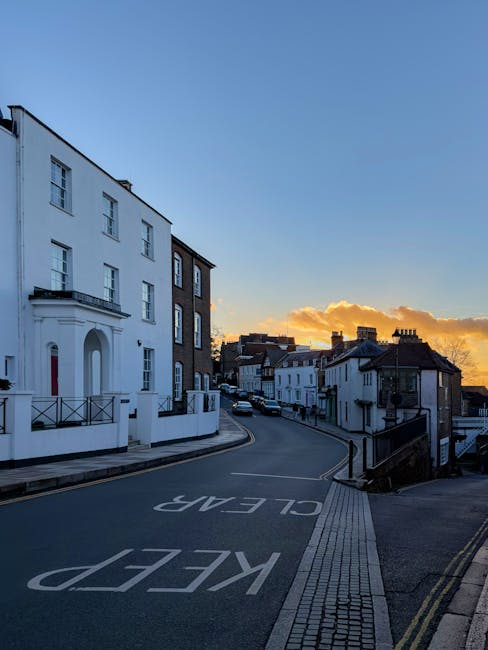
Best Removal Routes in Harrow-on-the-Hill for Moving Day
Moving day in Harrow-on-the-Hill can be smooth, or it can feel like a small logistical puzzle with a few extra stairs thrown in for good measure. Narrow lanes, busy local roads, parking pressure, and the simple fact that not every property has generous access all shape how well a move goes. That is why understanding the best removal routes in Harrow-on-the-Hill for moving day matters so much: the right route is not just the fastest line on a map, it is the one that protects your furniture, your schedule, and your nerves.
If you are planning a house move, flat move, office move, or just need a smarter way to get a van to your door, this guide breaks the process down in practical terms. You will find route-planning advice, timing tips, access considerations, mistakes to avoid, and a few real-world decisions that can save a lot of faff on the day. Simple enough in theory. In practice, a little local know-how goes a long way.
Table of Contents
- Why best removal routes in Harrow-on-the-Hill for moving day matters
- How the route planning process works
- Key benefits and practical advantages
- Who this is for and when it makes sense
- Step-by-step guidance
- Expert tips for better results
- Common mistakes to avoid
- Tools, resources and recommendations
- Law, compliance, standards, or best practice
- Options, methods, or comparison table
- Case study or real-world example
- Practical checklist
- Conclusion
- Frequently Asked Questions
Why Best Removal Routes in Harrow-on-the-Hill for Moving Day Matters
Route choice sounds like a small detail until moving day starts slipping. Then it becomes obvious very quickly that access is everything. In Harrow-on-the-Hill, route planning matters because moving vehicles often need to work around steep approaches, tight turns, resident parking, traffic pinch points, and loading space that is rarely as generous as you would like it to be.
A good route helps with more than travel time. It affects how close the removal vehicle can get to your front door, how long the loading crew spends carrying boxes, whether bulky items can be moved safely, and how likely you are to hit delays at the worst possible moment. One awkward turn can add ten minutes. One blocked access point can add a lot more.
Truth be told, many moving problems are not caused by the packing itself. They happen because the van arrives at the wrong time, takes the wrong approach, or has to stop too far from the property. That is why experienced movers think beyond the postcode and look at the actual street-level route, not just the destination.
For local households, route planning also helps reduce stress. You are juggling keys, final meter readings, children, pets, and the question of where the kettle is. The last thing you want is to be apologising to a driver who has had to circle the block twice. Better planning gives everyone a calmer day. And calmer days are underrated, really.
If you are comparing service options alongside route planning, it can help to look at the wider moving package too. For example, some people pair route planning with home moving services or extra help from packing and unpacking services so that access, loading, and handling are all considered together rather than as separate problems.
How Best Removal Routes in Harrow-on-the-Hill for Moving Day Works
The route-planning process is basically about matching your move to the roads, access points, and time constraints around your property. It starts with the obvious question: what is the most direct route? Then the better question follows: what is the most practical route for a large vehicle, a busy schedule, and a day when you really do not want surprises?
In real life, a move route is usually chosen by balancing a few factors:
- road width and turning space
- height restrictions, if any low structures or tight entrances are involved
- parking and loading availability near the property
- roadworks, closures, or congestion at the planned time
- the distance between the vehicle and the front door
- whether the route works for a van, truck, or a smaller man and van setup
For some homes, the best option is a larger vehicle parked a little further away because the street itself can handle it. For others, a smaller vehicle is the smarter choice because it can negotiate tighter roads more easily. There is no single perfect answer, which is why local familiarity is worth its weight in cardboard tape.
It also helps to think in layers. First, there is the driving route in and out of Harrow-on-the-Hill. Second, there is the final approach to the property. Third, there is the actual loading plan once the vehicle is parked. If those three pieces fit together, the move feels orderly. If not, everything slows down.
That is why many people explore vehicle options alongside route planning, whether that means a man with van service, a larger moving truck, or straightforward removal truck hire. The route and the vehicle need to match, otherwise you are asking for avoidable friction.
Key Benefits and Practical Advantages
Choosing the right removal route is not just about convenience. It can change the whole tone of moving day. A good route gives you speed where it matters, but also more control, better safety, and a lower chance of last-minute reshuffling.
1. Less time lost to avoidable delays
If the vehicle is not circling side streets or waiting for space to open up, the team can get on with the move. That means boxes are loaded sooner, fragile items are handled with less rushing, and the whole day tends to stay within the expected window.
2. Easier handling of large or awkward items
Sofas, wardrobes, mattresses, mirrors, and appliances are much easier to move when the route from van to door is short and safe. Fewer steps usually means fewer chances for knocks and scrapes. Nothing dramatic, just fewer little annoyances that add up.
3. Better protection for your property and belongings
Long carry distances across uneven pavements, steps, or cramped entrances increase the chance of damage. A well-chosen route reduces that risk and makes it easier to protect furniture, floors, and walls.
4. A calmer experience for everyone
Let's face it, moving is stressful enough already. When the route is sorted, the day feels less chaotic. People know where to stand, what to carry, and where the vehicle is going to wait. That simple sense of order makes a real difference.
5. Better use of labour and budget
If movers spend less time dealing with access problems, they can spend more time moving your things safely and efficiently. If you are paying for a service, you want the time to go into the work itself, not into workaround after workaround.
Expert takeaway: the best removal route is not always the shortest. It is the route that gives the vehicle safe access, predictable timing, and the least disruption to loading and unloading.
Who This Is For and When It Makes Sense
This topic matters for a wide range of movers, not just large households. In practice, route planning is useful for anyone who needs to get belongings in or out of Harrow-on-the-Hill without wasting time or creating access problems.
- Homeowners moving house who need a smooth loading and unloading process
- Tenants dealing with tight move-out deadlines or stair-heavy properties
- Flat movers who need to think about shared entrances, parking, and carry distance
- Families managing multiple boxes, furniture, children, and general moving-day noise
- Small businesses relocating stock, desks, or equipment
- Anyone with bulky items that are difficult to carry far
It also makes sense if you already know the property is not the easiest to access. Maybe the road is narrow. Maybe parking is limited. Maybe the front door is down a short but awkward path. Or maybe the new place is fine, but the old one is a bit of a squeeze. These are exactly the situations where route planning earns its keep.
Commercial movers should think about it too. If you are relocating a small office, a narrow street can turn a simple move into a drawn-out one unless the access plan is sorted in advance. In that context, services like commercial moves and office relocation services are often chosen because the route, timing, and vehicle size all need to work together.
And if you are only shifting a single item or a few pieces, route choice still matters. A short local move can go off the rails if the vehicle cannot park sensibly. That is one of those mildly annoying truths that nobody thinks about until the van has arrived and the space is already gone.
Step-by-Step Guidance
The simplest way to plan a removal route in Harrow-on-the-Hill is to work through the move from the vehicle backwards. Start with where the van can safely stop, then figure out how the items will be carried, then decide the best approach roads. It sounds basic. It is basic. And it works.
- Map the property access first. Look at the road, the driveway if there is one, pavement width, steps, gates, and any obvious pinch points. Ask yourself how a sofa or double mattress will physically get from the vehicle to the door.
- Check the time of day. Morning school runs, commuter flow, and lunchtime traffic can all make the same route feel very different. A road that looks fine at 10 a.m. might feel cramped at 8:30.
- Choose the right vehicle size. A larger truck may reduce trips but increase parking difficulty. A smaller van may be easier to place close to the property. For some moves, that trade-off is absolutely worth it.
- Plan the loading sequence. Put the biggest or hardest items in first only if that makes sense for the access route. Sometimes the loading order needs to match the carry path, not just the item size.
- Build in a buffer. Even a well-planned route can be slowed by local traffic, delivery vans, or a neighbour's unexpectedly parked car. A buffer stops that from turning into a mini crisis.
- Walk the final approach. If possible, have someone check the access route on foot before the vehicle arrives. This tiny step catches a surprising number of issues.
- Confirm the return route too. Getting in is only half the job. Can the vehicle leave without reversing into a tight space or making a difficult U-turn? That part matters, too.
If you are using professional movers, share any awkward details early: low branches, narrow turning circles, resident-only parking, shared driveways, steep approaches, or a building entrance that is not obvious from the road. Small details save big headaches.
For support with the move itself, some people also choose house removalists when they want the route planning, lifting, and transport handled as one coordinated job rather than piece by piece. That coordination is often what keeps the day feeling manageable.
Expert Tips for Better Results
There are a few habits that consistently improve moving-day outcomes, and most of them are simple. Not flashy. Just sensible. The sort of thing that makes you think, why didn't I do this earlier?
Use the least complicated access point, not the prettiest one
Some properties have a front entrance that looks ceremonial and a side access point that is far more practical. Choose the access that reduces carry distance and keeps the team moving. Pride can wait until after the boxes are in.
Think about the vehicle's turning room
A route may be legally passable but still unsuitable for a bigger vehicle if the turning space is too tight. Drivers need room to correct, not just room to enter. That distinction catches people out.
Keep the route free of clutter
Bins, planters, loose bikes, and overflowing recycling can obstruct the final approach. Clearing the path the evening before is one of those tiny jobs that pays off immediately the next morning.
Bundle route planning with packing logic
If you know heavy items will need a longer carry, place them near the exit point inside the property. It sounds almost too obvious, but in a busy home, obvious things get missed.
Use a smaller vehicle when access is tight
Sometimes a man and van setup is simply the better fit because it can be positioned more flexibly. That does not make it less professional. If anything, it shows good judgement.
Have a backup plan
What happens if a road is blocked, a space disappears, or the first route becomes awkward? Even a basic plan B gives you confidence. A nearby alternative loading point can be enough.
A small human truth here: the best moving days often look boring. No drama, no shouting, no frantic rerouting. Just a clear route, a sensible vehicle, and people knowing what to do. Boring is brilliant on moving day.
Common Mistakes to Avoid
Most route problems are preventable. The trouble is, they tend to be the kind of thing people only notice once the van is already on its way. Here are the usual culprits.
- Assuming the sat nav knows the whole story. Navigation apps are useful, but they do not always account for loading access, local parking restrictions, or a driver needing room to manoeuvre.
- Ignoring the final 20 metres. A move can go smoothly on the main roads and then stall at the final approach because nobody checked the pavement width or parking space.
- Choosing the wrong vehicle size. Bigger is not always better. A truck that cannot park well may waste more time than a smaller van making a few extra trips.
- Leaving parking arrangements too late. If the vehicle cannot stop near the property, the rest of the plan starts wobbling.
- Forgetting return access. Getting the vehicle in is one thing. Getting it back out, especially after loading, is another.
- Not telling movers about awkward items. Pianos, antique furniture, large wardrobes, and heavy appliances all need route-aware handling.
Another common slip is underestimating how tired everyone gets by mid-move. People start well, then by lunchtime the mood changes. That is when simple access problems feel three times bigger than they really are. A route that reduces walking, carrying, and waiting helps keep morale up. And yes, morale matters. Nobody wants the final hour to become a bit of a mess.
Tools, Resources and Recommendations
You do not need a complicated toolkit to plan a better moving route, but a few practical resources make the job easier. Keep it simple and use what actually helps.
- Photos of both properties from the street and entrance area
- A basic hand-drawn access sketch showing parking, gates, steps, and doors
- A moving inventory so vehicle size can be matched to the load
- Measuring tape for doors, hallways, and awkward furniture pieces
- Phone notes with access times, contact details, and any instructions
- Weather check for rain, wind, or icy conditions that may affect loading safety
When comparing moving services, it can be useful to look at whether they offer a route-aware approach rather than just transport. Some people only need a small load moved; others want help with the whole day. If you are comparing price and service levels, the information on pricing and quotes can help you understand what is included before you commit.
For especially awkward access, you may also want to compare the benefits of man and van support versus a larger vehicle. There is no trophy for using the biggest truck possible. The right tool for the space usually wins.
And because moving can involve a lot of trust in people handling your belongings, it is sensible to check the company's approach to insurance and safety. That does not solve route issues by itself, of course, but it does give reassurance that the work is being handled professionally.
Law, Compliance, Standards, or Best Practice
Route planning for removals is partly practical and partly about responsible behaviour on public roads and in shared residential spaces. You do not usually need specialist legal knowledge just to move house, but you do need to respect parking rules, loading restrictions, access rights, and general road safety.
In the UK, best practice is to avoid blocking traffic, keep pavements clear where possible, and make sure your movers are not creating unnecessary risks for pedestrians, neighbours, or passing vehicles. If a route or parking arrangement needs permission or time-limited loading space, that should be arranged in advance rather than assumed on the day. The exact requirements can vary by location, so careful checking is always the safer approach.
Professional movers should also work in line with sensible health and safety standards. That means planning safe lifting paths, reducing trip hazards, using the right equipment, and avoiding awkward carries where a better route or different vehicle could reduce strain. A good moving route is part of safety, not separate from it.
If sustainability matters to you, it is worth thinking about efficiency as well. Fewer unnecessary trips, shorter carry distances, and better route planning can all reduce wasted time and fuel. Some customers like to align their move with a more responsible approach to disposal and packing, which is where recycling and sustainability can become relevant during the wider move.
Be careful with assumptions. For example, a space that looks fine may actually have restrictions. A road that seems quiet may still be unsuitable for unloading at certain times. A little due diligence before moving day is much easier than fixing a problem in the middle of it.
Options, Methods, or Comparison Table
Different moves call for different route strategies. The right choice depends on access, volume, and how much flexibility you have with timing. This comparison is not about declaring one method universally best. It is about showing which option tends to work better in different situations.
| Method | Best for | Strengths | Trade-offs |
|---|---|---|---|
| Man and van | Smaller moves, tight streets, flexible loading | Easier to position near the property, often quicker for short-distance access | May require more trips for larger loads |
| Moving truck | Larger household moves with better access | Can carry more in one go, efficient when parking and turning space allow | Can be harder to place on narrow or busy roads |
| Removal truck hire | Moves where vehicle choice and timing are central | Useful when you need a dedicated vehicle and control over the schedule | Requires more planning around loading, parking, and route access |
| Full house removals service | Busy families, complex homes, time-sensitive moves | Best coordination across route, packing, lifting, and transport | May be more than you need for a very small move |
For many Harrow-on-the-Hill moves, the sweet spot is not the biggest vehicle or the cheapest option. It is the one that gets close enough to the door, fits the route cleanly, and keeps the day under control. That is the real win.
Case Study or Real-World Example
Here is a simple example drawn from the kind of move people in Harrow-on-the-Hill often face. A couple were moving from a flat with limited street space to a nearby house. On paper, the distance between addresses looked tiny. They assumed the move would be straightforward because it was only local.
Once the access details were checked, a different picture emerged. The original route would have put a larger van on a street with tight parking and a narrow final approach. It would still have been possible, but the loading point would have been awkward and the carry distance longer than expected. After reviewing the property access, the move was planned with a smaller vehicle and a slightly adjusted arrival time. That meant the van could park more cleanly, the furniture carried less distance, and the whole process felt calmer.
What changed the outcome was not luck. It was route awareness. The couple had assumed "nearby" meant "easy," and in moving terms those are very different things. Once the access was planned properly, the day became much more manageable. No drama, no frantic reshuffle, just a better fit between road, vehicle, and property.
This is exactly why local route planning matters. It turns a guess into a plan. And on moving day, a plan is worth a lot.
Practical Checklist
Use this checklist the day before your move. It is not fancy, but it works.
- Confirm the moving vehicle size and arrival time
- Check the best access point for the property
- Make sure the loading area is clear of bins, bikes, and clutter
- Measure any tight doorways, stairs, or turns for large items
- Review parking options near both addresses
- Prepare a backup route or alternative stopping point
- Share access notes with the moving team
- Separate fragile and high-priority items so they are easy to reach
- Keep keys, phone chargers, and important documents handy
- Check weather and traffic conditions before departure
- Confirm the unload point at the new property
- Do a quick final walk-through before the vehicle leaves
Checklist done, minds calmer. That alone can make the first hour of the day feel much better.
Conclusion
The best removal routes in Harrow-on-the-Hill for moving day are the ones that make the whole move easier, safer, and more predictable. That usually means thinking past the sat nav and looking closely at access, parking, timing, vehicle choice, and the practical realities of the street outside your door.
If you plan the route properly, you reduce carrying distances, avoid unnecessary delays, and give your movers a better chance to work efficiently. If you do not, even a short local move can turn into a long one. A small bit of planning now saves a lot of breathing out later.
When you are ready to compare service options, choose the solution that fits your property and your load, not just the one that looks simplest on paper. A careful move is usually a better move. And honestly, that is the sort of decision you tend to thank yourself for at the end of the day.
Get a free quote today and see how much you can save.
Moving day may never be anyone's favourite day, but with the right route and the right support, it can still feel quietly under control. That counts for a lot.
Frequently Asked Questions
What is the best removal route in Harrow-on-the-Hill for moving day?
The best route is usually the one that gives your vehicle the easiest safe access to the property, even if it is not the shortest on a map. In practice, that means considering parking space, turning room, loading access, and local traffic patterns together.
Should I choose a bigger van or a smaller van for a Harrow-on-the-Hill move?
It depends on access. A bigger vehicle can carry more in one go, but a smaller van may be much easier to park close to the property. If the street is tight or the approach is awkward, the smaller option can actually be more efficient.
How far in advance should I plan the route?
Ideally, a few days before moving day. That gives you time to check parking, note any access issues, and share the details with the removals team. For more complex properties, earlier is better.
Do I need to think about the return route as well as the arrival route?
Yes. A route that works for arriving may not be the best route for leaving, especially once the vehicle is loaded. Drivers need enough room to exit safely and without unnecessary reversing.
Can route planning reduce moving costs?
It can help indirectly by reducing wasted time, extra carrying distance, and avoidable delays. It is not a magic discount, but it often makes the move more efficient, which is good for everyone involved.
What should I tell my removals team about access?
Tell them about parking restrictions, narrow roads, steps, gates, shared entrances, low branches, and anything else that affects the final approach. The more accurate the information, the smoother the day usually goes.
Is a man and van service suitable for Harrow-on-the-Hill?
Often, yes. It can be a very sensible choice for smaller moves or properties with limited access because the vehicle is easier to position and manage. It is especially useful when flexibility matters more than raw capacity.
How do I avoid delays on moving day?
Clear the access route, confirm parking arrangements, choose the right vehicle, and plan your arrival time around local traffic where possible. Small preparation steps make a big difference when the day actually starts.
What if the road outside my property is too narrow?
Then you may need a smaller vehicle, an alternative loading point, or a revised access plan. This is where early route checks help. Do not wait until the van is already outside to discover the problem.
Should I worry about health and safety during loading and unloading?
Yes, but in a practical way. Keep paths clear, avoid awkward carries where possible, and make sure the route from door to vehicle is safe and free from obstacles. Good route planning is one of the simplest safety measures you can control.
What is the biggest mistake people make with moving routes?
Assuming the sat nav is enough. It is useful, but it does not know everything about parking, access, or unloading space. Local judgement and a quick property check are usually the missing pieces.
Can route planning help with office or commercial moves too?
Absolutely. In fact, it can matter even more because business moves often work to tighter time windows and may involve equipment that is awkward to carry. Commercial access planning is worth doing carefully.