Business Relocation Services in Harrow: Office Move Pricing
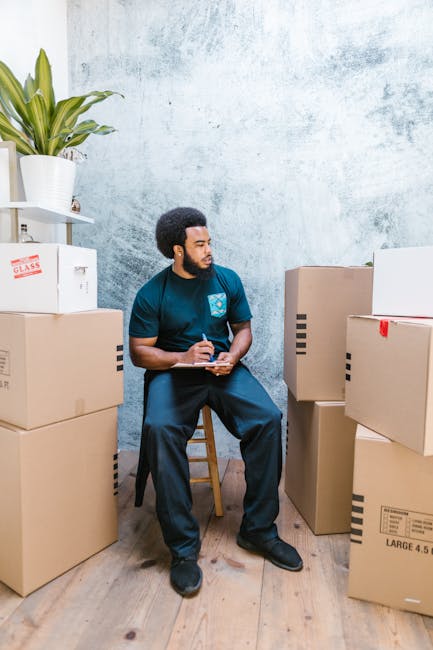
If you are planning a workplace move, the first question is usually the blunt one: what will it cost, and what exactly am I paying for? With Business Relocation Services in Harrow: Office Move Pricing, the answer depends on more than distance alone. The size of the office, the amount of furniture, access at both buildings, packing needs, and the timing of the move can all shape the final figure. That is the unglamorous part, but it is the part that saves stress later.
In Harrow, businesses move for all sorts of reasons: growth, a better lease, hybrid working changes, or simply needing a layout that works instead of fighting the space every day. A good relocation plan makes the whole thing feel manageable. A great one keeps disruption low, protects equipment, and avoids the kind of "we thought that was included" moments that everyone regrets on moving day.
This guide breaks down how office move pricing works, what affects the bill, which services are worth paying for, and how to compare quotes sensibly. You will also find a practical checklist, a simple comparison table, and a few real-world lessons that tend to get missed until it is too late. Let's make it straightforward.
Why Business Relocation Services in Harrow: Office Move Pricing Matters
Office moving is one of those projects that can look simple from the outside and then, quite suddenly, become a tangle of desks, cables, access times, and staff logistics. That is why pricing matters so much. A low quote may look attractive at first glance, but if it excludes packing, stair carries, parking complications, or evening delivery windows, the "cheap" move can become expensive in a hurry.
Pricing also matters because a business move is not just a transport job. It is a service built around continuity. You are not merely shifting boxes from one postcode to another; you are trying to protect working hours, client service, data equipment, and sometimes staff morale as well. Truth be told, the cost of bad planning often shows up somewhere else: lost time, rushed IT setup, damaged furniture, or people standing around waiting for the lift to free up.
In Harrow and the wider London area, practical things can make office relocation more complex than people expect. Tight roads, parking limits, shared entrances, and busy buildings all add pressure. That does not mean the move will be difficult. It just means the quote should reflect the real conditions, not a best-case fantasy.
Expert summary: the right office move price is not the cheapest number on the page; it is the clearest number, with the fewest surprises, backed by a service that understands business disruption, access issues, and the need to get people working again quickly.
If you are comparing workplace movers, it helps to look at the wider service picture too. For example, a provider that handles commercial moves and office relocation services is more likely to understand the difference between moving a home and moving a business. That distinction matters. A lot.
How Business Relocation Services in Harrow: Office Move Pricing Works
Most office move quotes are built from a few core components. The exact pricing model varies by provider, but the logic is usually similar. First comes the scale of the move: how much furniture, equipment, archive material, and specialist items need to be moved. Then comes the logistics: how easy it is to load, transport, and unload everything without delays.
Here are the usual pricing drivers in plain English:
- Volume and inventory: more items mean more labour, more vehicle space, and more time.
- Access conditions: stairs, lifts, narrow corridors, or distant parking can add handling time.
- Distance: local Harrow moves are usually simpler than longer cross-London relocations, but routing still matters.
- Packing requirements: if the team packs sensitive files, monitors, or office equipment, the quote usually increases.
- Specialist handling: fragile tech, server equipment, heavy filing units, or awkward furniture may need extra care.
- Timing: evenings, weekends, or tight deadlines can affect labour planning and availability.
- Disassembly and reassembly: desks, shelving, workstations, and modular furniture often need to come apart first.
Some businesses prefer a fixed-price quote because it gives certainty. Others go for an hourly rate when the move is smaller or less predictable. Both can work well, but only if you understand what is included. If a quote is based on estimated time, ask what happens if access is slower than expected. If it is fixed, ask what assumptions were used. It is a fair question. A sensible one, actually.
For moves that involve moving stock, archived documents, or a mixed set of office items, it can also help to think in terms of service scope rather than just price. A team that offers packing and unpacking services can reduce staff workload and keep the move more orderly, especially when the office is busy or the handover is tight.
And yes, the vehicle matters too. Depending on the load, the job may call for a moving truck or a more flexible option such as a man and van service. Smaller internal moves can sometimes be handled with a man with van setup, though a full office relocation often needs more planning and more hands.
What a proper quote should make clear
- Labour hours or fixed scope
- Vehicle size and number of trips
- Packing materials, if supplied
- Furniture dismantling and rebuilding
- Waiting time and access delays
- Insurance approach and handling expectations
- Any surcharge for stairs, long carries, or parking constraints
That last point is often where confusion starts. A quote is only useful if it reflects the actual job. If not, it is just a nice-looking estimate with a surprise hidden in the margin.
Key Benefits and Practical Advantages
People often think the main benefit of hiring business relocation specialists is speed. Speed does matter, of course, but the bigger advantage is control. A well-run office move reduces chaos. It gives you a plan for who moves what, when it moves, where it lands, and who is responsible if something needs attention.
Here is what good office move pricing and planning can deliver:
- Predictability: you can budget properly and avoid awkward last-minute spend.
- Less downtime: structured moves help teams get back to work sooner.
- Better protection for equipment: monitors, printers, chairs, and confidential items are handled more carefully.
- Staff confidence: people feel more comfortable when the move is organised rather than improvised.
- Cleaner handover: a tidy departure helps with lease obligations and practical closure.
- Fewer internal distractions: your team can keep doing their real jobs instead of becoming part-time movers.
There is also a subtler benefit. A professional relocation can preserve momentum. That sounds vague, but in real life it is the difference between opening in the new office with energy and opening it with half the stationery missing and someone saying, "Where did the router go?" That sort of thing happens. More than people admit.
For businesses with furniture that will not be needed in the new layout, services such as furniture pick-up can support a cleaner transition. And if your organisation is coordinating multiple property-related moves, the broader recycling and sustainability approach may also matter, especially when you are disposing of surplus items responsibly.
Who This Is For and When It Makes Sense
Business relocation services are not just for large corporations with dedicated facilities teams. In Harrow, they are useful for all sorts of organisations. Start-ups moving from a co-working setup into a first proper office. Accountancy or legal firms shifting a smaller practice. Retail back-office teams. Agencies. Trades offices. Nonprofits. Even a small business with six desks and a printer that seems heavier than it should be.
This kind of service makes sense when:
- you need to move more than a few items and want it done properly
- the office contains desks, monitors, filing, or shared equipment
- you want to reduce disruption during working hours
- you have a fixed handover date and limited flexibility
- there are access challenges at one or both locations
- your team does not have the time or capacity to manage the move alone
If the job is very small, a flexible transport-only option might be enough. For example, a removal truck hire arrangement could suit a business that already has staff ready to load and unload. For larger or more sensitive moves, though, a full relocation service is usually the safer choice because the labour, planning, and handling are all packaged together.
And if you are also weighing up a simpler transport job for overflow items or a satellite office, the more lightweight moving truck option can sometimes be a neat middle ground. Not always, but sometimes.
Step-by-Step Guidance
Moving a business office is easier when you treat it like a project rather than a big delivery. Below is a practical sequence that works well in real life.
- Walk the space and list everything. Make a rough inventory of desks, chairs, cabinets, computers, screens, boxes, and anything awkward or valuable.
- Separate what is moving from what is staying. This is where many moves become messy. Be ruthless. Old leaflets, broken stands, and duplicate bits of kit can quietly inflate the load.
- Check access at both ends. Measure lifts, note staircases, look at parking, and think about loading points. A five-minute site check can save a lot of grief.
- Choose the right service level. Do you need packing, dismantling, transport only, or a full office relocation package?
- Request a clear pricing breakdown. Ask for assumptions, exclusions, and any extras that may apply.
- Set the move day order. IT first? Desks first? Files last? A sequence stops people treading on each other's plans.
- Brief the staff. Tell everyone what to box, label, unplug, and leave alone.
- Prepare the new office. Clean it, label rooms, and decide where key items should land.
- Confirm insurance and security handling. Sensitive items deserve extra care, not a shrug and hope.
- Review once finished. Check the new space, note any issues, and keep records for future moves.
A tiny but useful tip: label boxes by room and by priority, not just by department. "Accounts - urgent" is much easier to act on than "Blue box 7". One of those tells the crew exactly what matters first. The other is just a blue box. Nice, but not helpful.
Expert Tips for Better Results
After enough moves, a few patterns become obvious. The strongest results usually come from businesses that prepare early, keep the scope realistic, and leave room for the unexpected. That last bit matters more than people think. Something always takes longer than planned. A lift. A cable bundle. A forgotten filing cabinet. Life, basically.
What helps most
- Book an early survey: the more accurate the walkthrough, the better the pricing.
- Reduce non-essential items: less clutter means a smaller move and a cleaner setup.
- Protect IT and documents: these are usually the things that cause the most anxiety if handled casually.
- Use clear labels: it speeds up unloading and avoids repeated questions on the day.
- Plan for the first morning back: think about power, login access, and where people will sit.
If your business is still deciding between several service styles, compare what each one actually gives you. A simple transport-only job may be enough for a light move, but a fuller commercial move often includes the planning and coordination that business premises really need.
Also, do not underestimate staff comfort. A move can feel disruptive even when it is well run. A little communication goes a long way. Tell people what is happening, what they are responsible for, and when they need to be out of the way. It sounds basic. It is basic. But basic things are often the difference between orderly and chaotic.
Common Mistakes to Avoid
Pricing problems usually start long before moving day. They begin with assumptions. Here are the most common ones.
- Choosing the lowest quote without checking what is included. Cheap can be fine, but only if the scope is comparable.
- Forgetting access details. If the mover does not know about stairs, limited parking, or loading restrictions, the quote may be off.
- Leaving packing until the last night. The best-laid move plan can collapse under a pile of unlabeled boxes.
- Not deciding what to dispose of first. Moving unnecessary items wastes time and money.
- Ignoring IT dependencies. If computers, phones, or connectivity are not planned properly, the office may be technically moved but functionally stuck.
- Assuming the provider will know your layout. They will not, unless you tell them. And fair enough.
There is one more mistake that deserves special mention: treating the quote as the whole decision. It is not. The quote, the planning approach, the insurance position, and the communication style all matter. A smooth office move is usually the result of several small good decisions, not one dramatic bargain.
Tools, Resources and Recommendations
You do not need fancy software to organise a business relocation, but a few simple tools can make a serious difference. A shared spreadsheet, a room-by-room inventory, a floorplan, and a labelled packing system are often enough for smaller offices. For larger moves, a project board or shared task tracker can help keep the team aligned.
Useful items to have ready:
- an up-to-date inventory of furniture and equipment
- a plan of the new space with room names
- labels or colour-coded tape for boxes and workstations
- a list of sensitive or high-value items
- keys, access codes, and building contact details
- a backup plan for essential IT or phone access
It is also worth asking how the mover handles payment and administration. Clear invoicing, written terms, and secure payment processes help reduce friction. If you want to understand how a provider approaches this side of the job, their payment and security information is worth a read before you commit.
For businesses that care about company values as well as logistics, it can also be sensible to review the provider's insurance and safety approach, their health and safety policy, and broader company details such as the about us page. Those pages do not replace a proper conversation, but they do help build confidence. And confidence matters when you are handing over the contents of your office.
Law, Compliance, Standards, or Best Practice
For most office relocations, the practical side of compliance matters more than technical jargon. Businesses still need to think about health and safety, safe lifting, secure handling of sensitive materials, building access rules, and insurance cover. In the UK, employers also have general duties to protect staff and visitors from avoidable harm, which means the move should be planned rather than improvised.
Best practice usually includes:
- assessing risks before move day
- briefing staff on what they should and should not handle
- protecting confidential paperwork and devices
- using suitable equipment for heavy or awkward items
- making sure the destination building can receive the goods safely
- keeping insurance and liability expectations clear in writing
For businesses handling sensitive documents, office equipment, or customer data, it is sensible to treat the move as a controlled environment rather than a casual clearance. A mover that follows a clear process, keeps communication documented, and understands safe loading practices will usually make the day much calmer. That is not just nice to have. It is how you avoid preventable problems.
If sustainability is part of your internal policy, responsible disposal matters too. Surplus desks, broken chairs, old fittings, and packaging waste should be handled with care. A business that takes its environmental responsibilities seriously will often look for relocation partners who think the same way. Small detail, but it says a lot.
Options, Methods, or Comparison Table
Choosing the right approach depends on the scale and complexity of the move. A small business move does not need the same setup as a full-floor relocation. Here is a simple comparison that helps clarify the difference.
| Option | Best for | Typical strengths | Possible drawback |
|---|---|---|---|
| Man and van | Small office loads, overflow items, light transport | Flexible, often efficient for short local jobs | May be too limited for larger workspaces |
| Man with van | Compact moves with minimal dismantling | Useful for straightforward transport and loading support | Not ideal for heavy, multi-stage office projects |
| Full commercial move | Growing teams, larger offices, time-sensitive relocations | Better planning, coordination, and handling | Higher cost, though usually better value for complex jobs |
| Truck hire only | Businesses with their own labour ready to load | Can keep transport costs focused | Staff workload and responsibility are higher |
There is no one-size-fits-all answer here. A small design studio moving across Harrow may be fine with a lighter setup, while a professional services office with filing, tech, and furniture will usually benefit from a fuller relocation plan. The right option is the one that matches the actual job, not the one that sounds cheapest on paper.
Case Study or Real-World Example
Consider a small business relocating from a first-floor unit near Harrow to a slightly larger office elsewhere in the borough. The team has eight desks, eight chairs, a shared printer, several screens, a storage cabinet, and a decent amount of paperwork. Nothing unusual. Nothing outrageous. But there are stairs at the old office, a narrow loading space outside, and a new building with a tight morning access window.
At first glance, the owners think the job is just "a few van loads." Then they list everything properly. Suddenly, the picture changes. Desks need dismantling. Screens need packing. The printer needs careful lifting. Staff cannot all be onsite helping because they still have client work to finish. The business decides to use a planned relocation service rather than trying to improvise with a couple of colleagues and some tape.
The difference is obvious on moving day. The crew arrives with a clear order of work. The desks go first, the fragile items are wrapped properly, and the labelled boxes land in the right rooms. There are still small hiccups - there always are - but nothing becomes a crisis. By the end of the day, the office is not perfect, but it is functional. That is the real target. Functional, quickly.
This is the sort of move where a structured service beats a bargain-basement quote. The business pays for less uncertainty, not just transport. And, to be fair, that is usually where the real savings are found: in the time not wasted unravelling a messy move afterwards.
Practical Checklist
Use this checklist before requesting office move pricing or confirming a booking.
- List all desks, chairs, cabinets, and office equipment
- Note anything fragile, valuable, or confidential
- Measure access points, lifts, stairs, and parking areas
- Decide what is moving, what is staying, and what can be recycled
- Choose whether you need packing support
- Ask whether dismantling and reassembly are included
- Confirm move dates, times, and building restrictions
- Check insurance and safety expectations
- Plan IT shutdown, transport, and restart order
- Prepare labels for rooms, boxes, and priority items
- Ask for a clear written quote with assumptions
- Keep staff informed well before move day
Quick takeaway: the better your preparation, the cleaner the pricing conversation will be. It is as simple as that. Well, almost simple.
Get a free quote today and see how much you can save.
Conclusion
Business relocation is rarely about moving objects alone. It is about protecting time, continuity, and the way your team works. That is why office move pricing deserves a proper look rather than a quick skim. A strong quote should explain the scope, highlight any extras, and feel rooted in the real conditions of your office, not a generic template.
If you plan carefully, ask the right questions, and compare services on more than headline price, the move becomes far easier to manage. You will know what is happening, who is doing what, and where the main risks sit. That brings a bit of calm to a process that can otherwise feel noisy and rushed.
And in the end, that calm is worth a lot. The move is only one day, after all. What matters is how quickly your business settles back into normal life on the other side.
Frequently Asked Questions
How is office move pricing usually calculated?
It is usually based on the size of the job, labour time, access conditions, vehicle requirements, packing needs, and any dismantling or reassembly involved. Some movers use fixed pricing, while others use hourly or hybrid structures.
What makes business relocation services in Harrow more expensive?
Costs can rise when access is difficult, the move involves a large amount of furniture or equipment, packing is required, or the booking is urgent. Evening and weekend moves may also affect pricing because they need different scheduling.
Is a fixed quote better than an hourly rate?
Neither is automatically better. A fixed quote gives more certainty, which many businesses like. An hourly rate can work for smaller or simpler moves. The key is making sure the quote matches the actual scope and includes the same assumptions.
Should I pay for packing and unpacking services?
If your team is busy, the office has fragile items, or you want the move to be tidier and quicker, packing support can be worth it. It reduces the load on staff and usually improves the chances of a smoother move day.
What should be included in an office relocation quote?
A good quote should explain labour, transport, packing materials if relevant, dismantling and reassembly, access issues, and any possible extras. If something important is not mentioned, ask. Better to ask twice than pay twice.
How far in advance should I book a business move?
As early as you reasonably can. Larger moves or time-sensitive relocations benefit from longer planning. That gives room for surveys, staff briefings, and any packing or clearance work before move day.
Can a man and van service handle an office move?
Sometimes, yes, for small office loads or straightforward transport jobs. For larger or more complex relocations, a fuller commercial move service is usually more appropriate because it provides more planning and handling support.
What if my office has stairs or difficult access?
Tell the mover early. Stairs, narrow corridors, lift restrictions, and parking problems can all affect time and labour. Good movers will factor this in properly rather than discovering it on arrival, which nobody enjoys.
Do business relocation services cover furniture dismantling?
Many do, but not all. It is one of those details that should be checked in the quote. Desks, shelving, and modular furniture often need dismantling for a safe and efficient move.
How can I reduce office moving costs without cutting corners?
Reduce clutter, dispose of unwanted furniture early, label everything clearly, prepare an inventory, and make access details accurate. The more organised the move, the less time is wasted, and that usually helps the price.
What should I do with old office furniture I do not want to move?
Separate it from the main relocation plan and arrange for responsible removal or disposal. If the items are reusable, a furniture pick-up or recycling-focused approach may be more practical than paying to transport them somewhere you do not need them.
Why does a professional office move feel worth the money?
Because you are buying less disruption, better handling, and a clearer process. The move is not just about getting everything from one place to another. It is about keeping the business running with as little fuss as possible, and that is where the value usually shows up.