Harrow Council Permit Guide for Moving Vans on Station Road
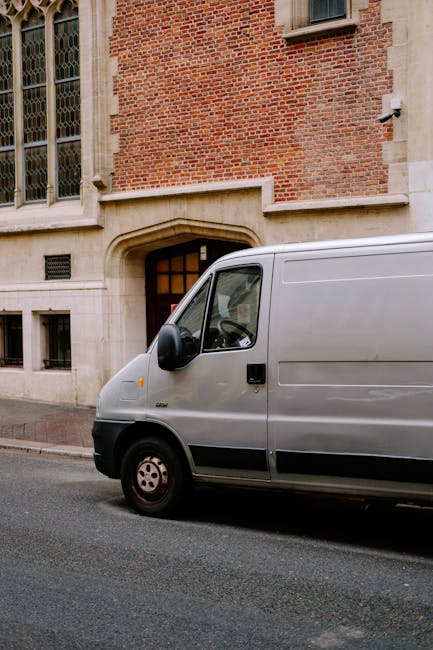
Planning a move on Station Road can feel straightforward right up until the parking question lands on your lap. Then suddenly you are thinking about permits, loading bays, access space, timing, and whether the van will be in the way of a busier stretch than you expected. That is exactly where this Harrow Council Permit Guide for Moving Vans on Station Road comes in. It breaks the process into plain English, so you can understand what usually matters, what to check early, and how to avoid the kind of last-minute stress that turns moving day into a small circus.
Whether you are moving house, shifting office items, or arranging a single heavy pick-up, the practical issue is the same: can your moving van stop safely and legally without causing problems for you or everyone else on the road? Let's work through it properly.
Why Harrow Council Permit Guide for Moving Vans on Station Road Matters
Station Road is the sort of place where a moving van can either fit neatly into the day's rhythm or throw it off completely. On a road like this, even a short stop can affect traffic flow, pedestrian access, nearby businesses, and your own moving schedule. That is why getting the parking and permit side right matters so much.
In practical terms, a permit guide helps you understand whether you need advance permission to load or unload, whether temporary parking suspension is sensible, and how to reduce the risk of a fine or complaint. It is not just about avoiding penalties, either. It is about making the move safer, quicker, and less chaotic. Truth be told, most moving problems start with poor access, not with the packing boxes.
If you are organising a larger move, it can help to think beyond the permit itself. A well-planned move often combines vehicle access with careful packing, sensible timing, and the right size of vehicle. Services like home moves, man and van, and removal truck hire are often chosen with access constraints in mind, especially in busier London streets where space is tight and patience is not endless.
How Harrow Council Permit Guide for Moving Vans on Station Road Works
At a high level, the process usually revolves around checking local parking controls, deciding whether your van can legally stop where you need it to, and then arranging permission or a suspension if required. The exact route depends on the nature of the road, the time of day, the size of the vehicle, and how long you need to stay in place.
For moving vans, the key question is often whether you are merely loading or unloading, or whether the vehicle will need a reserved or protected space. Loading can sometimes be treated differently from general parking, but you should never assume that "it is only for a minute" will be enough. A few minutes can still matter if the road is controlled or busy. Annoying, yes. But that is the reality.
When people ask about Station Road specifically, they are usually trying to solve one of three problems: limited stopping space, restricted parking times, or the need to avoid blocking access for neighbours, businesses, or public transport. The permit guide is really about planning for those constraints before move day arrives.
For some moves, a smaller vehicle can make life easier. For others, a bigger truck means fewer trips and less time on the road. That trade-off matters. If you are comparing vehicle size and access, a page like moving truck can be useful when thinking about what will actually fit, while man with van may suit lighter, faster relocations where flexibility matters more than capacity.
Key Benefits and Practical Advantages
Getting the permit side sorted early gives you more than one benefit. It makes the move feel calmer, but it also gives you a cleaner operational plan. That matters more than people often realise.
- Less risk of delay: Your van is more likely to get access when you need it.
- Lower chance of enforcement issues: Proper permission can reduce the chance of a parking problem interrupting the move.
- Better safety: Clear access makes lifting, carrying, and manoeuvring easier.
- More efficient loading: When the van can stop close to the property, everything tends to move faster.
- Less neighbour friction: Fewer blocked driveways, fewer awkward conversations, fewer sighs from across the street.
There is also a commercial advantage if your move is business-related. A business relocation on or near Station Road may need more careful coordination than a typical residential move, particularly if it affects customer access or staff arrival times. In that situation, planning alongside commercial moves or office relocation services can help you see the broader picture rather than treating the permit as an isolated admin task.
Expert summary: the permit is not the whole move, but it is often the difference between a smooth day and a messy one. Get the parking right, and half the battle is already won.
Who This Is For and When It Makes Sense
This guide is relevant if you are moving into or out of a property near Station Road, collecting bulky furniture, relocating a small office, or arranging a van stop where parking space is limited. It is especially useful if the address sits on a busy street, near junctions, close to busier retail frontages, or in an area where stopping for too long would be awkward.
It also makes sense if you are trying to choose between handling the move yourself and booking professional help. A solo DIY move in a small van can work well for light loads, but a full house move with awkward furniture and tight access can become a different beast entirely. In those cases, people often look at house removalists or packing and unpacking services because the real challenge is not the lifting alone; it is the orchestration.
To be fair, some moves do not need much more than a straightforward stop for loading and unloading. A single sofa collection or a few boxes may fit neatly into a short window. For that type of job, furniture pick up can be a practical option if the access plan is clear from the start.
As a rule of thumb, the busier or more restricted the street, the earlier you should think about permits and parking. Waiting until the day before is where people start muttering, checking clocks, and making bad decisions in a rush.
Step-by-Step Guidance
Here is a practical way to approach the permit and access issue without overcomplicating it.
- Check the street conditions early. Look at whether Station Road has limited waiting, loading restrictions, or other parking controls near your property.
- Assess the vehicle size you actually need. A smaller van may be easier to position, but multiple trips can eat time. A larger vehicle may reduce trips but need more room.
- Decide whether loading only is realistic. If the van needs to remain on the road for a substantial period, a permit or suspension may be more sensible than relying on brief stopping.
- Build a buffer into the schedule. A moving day always takes longer than the neat version in your head. Always.
- Coordinate the permit with the move plan. If the permit window starts too late or ends too soon, it can create a bottleneck exactly when you do not want one.
- Prepare the property for quick loading. Boxes labelled, furniture dismantled if needed, walkways clear. The less time spent faffing on the pavement, the better.
- Keep communication simple. Make sure everyone involved knows where the van will stop, who is meeting it, and what happens if the space is occupied.
A good moving plan often works best when permit logistics are considered alongside logistics and vehicle choice. If you are comparing services, a man and van setup may be suitable for smaller or faster moves, while removal truck hire can make more sense for larger household loads where a single run is preferable.
Expert Tips for Better Results
One of the most useful habits is to think like a driver and a neighbour at the same time. Where can the vehicle stop safely? Where will people still need to walk? What happens if another car is already in the space? Those little questions prevent big headaches.
Try to schedule loading for a calmer part of the day if you can. Not every move has that luxury, I know, but avoiding peak pressure times can reduce conflict and make the access plan feel less fragile. Early morning can be good for some people, though it is not always ideal if you are trying not to wake the whole building at 6:30 a.m. Bit of a balancing act.
Another practical tip is to keep the heaviest items closest to the exit and the smallest items boxed together. That sounds obvious, yet on the day it is easy to end up moving a lamp, a toaster, and a basket of loose cables because nobody wants to be the person who sorted the garage properly. Happened more than once, honestly.
Also consider how parking restrictions interact with safety. A van parked too far away creates extra carrying distance and more risk on the pavement. A van parked too close to a junction or crossing can create its own problems. The sweet spot is the place that keeps access efficient without compromising visibility or movement.
If sustainability matters in your move, think about what you are taking with you, what should be reused, and what can be responsibly removed. A well-managed move often reduces waste as well as stress. That is why some customers also check recycling and sustainability before moving day, especially when clearing out bulky or unwanted items.
Common Mistakes to Avoid
The most common mistake is assuming that loading and parking are the same thing. They are not. A road may allow one but restrict the other, and that distinction can trip people up fast.
Another classic error is choosing a van that is too large for the street. Bigger is not always better. If the vehicle cannot stop close enough to the property, it may add more time than it saves. A second mistake is leaving permit arrangements too late, especially if the move falls near a weekend, holiday period, or a busy time of day. Delays on the admin side tend to snowball.
People also forget the human side of the move. Neighbours may need access, businesses may have deliveries, and pedestrians still need a clear route. If you block the road for everyone else, you are more likely to get complaints. Fair enough, really.
Other avoidable issues include:
- not checking vehicle dimensions before booking
- not allowing enough time for loading and unloading
- not having a backup plan if the intended space is occupied
- not communicating the move window clearly to everyone involved
- forgetting that weather, traffic, and building access can all slow things down
On a practical note, if you are moving valuable or awkward items, make sure the access plan supports safe handling. That is where an experienced crew and the right vehicle can matter more than people expect. You do not want a beautiful antique mirror meeting a narrow stairwell in a hurry. Nobody wants that.
Tools, Resources and Recommendations
You do not need a drawer full of specialist equipment to handle a permit-led move well, but a few tools make the process much easier.
- Measuring tape: useful for checking furniture dimensions, hallway widths, and vehicle clearance.
- Floor plan or sketch: helps you identify where large items will come out and where the van should stop.
- Marker pens and labels: keeps boxes organised and reduces time wasted on the pavement.
- Phone notes or checklist: simple, but effective for timing, contact details, and permit reminders.
- Protective materials: blankets, wraps, and covers protect items when you need a slightly longer carry.
If you want support with the whole move rather than just the transport side, the most relevant starting points are often home moves, packing and unpacking services, and pricing and quotes. Those pages can help you judge the scope, effort, and likely level of support you need before moving day starts ticking down.
For company information, service standards, and policy detail, it can also help to review the business background on about us and the practical expectations set out in health and safety policy and insurance and safety. Those pages are not about permits directly, but they are useful if you want to understand how a professional service approaches risk and responsibility.
Law, Compliance, Standards, or Best Practice
This topic sits in a space where local parking controls, traffic rules, and practical moving standards all overlap. The safest approach is to treat any road restriction as real until you have checked otherwise. If a moving van is stopping on a controlled street, you should assume that permission, timing, and vehicle positioning all matter.
Best practice usually means three things: plan ahead, keep access safe, and avoid unnecessary obstruction. Even if a stop seems brief, it still needs to be sensible for the location. In a busy area, a little caution goes a long way.
From a compliance perspective, it is sensible to:
- check whether a loading-only stop is enough
- avoid blocking dropped kerbs, crossings, or essential access points
- keep a clear record of the timing and arrangement for the move
- make sure the vehicle used matches the access available
- follow any local parking direction exactly as provided
For businesses in particular, good access planning is part of duty of care. If staff, customers, or contractors are present, you want a calm and predictable set-up rather than a van parked in a way that creates confusion. That is where a careful move plan pays off in the real world, not just on paper.
Options, Methods, and Comparison Table
Different moving methods suit different levels of access pressure. The best choice depends on how much you are moving, how tight the street is, and how much time you want to spend loading.
| Option | Best for | Pros | Trade-offs |
|---|---|---|---|
| Man and van | Smaller moves, quick collections, lighter loads | Flexible, often easier to position, good for shorter jobs | Less capacity, may require more trips |
| Moving truck | Larger household or commercial moves | More space, fewer journeys, efficient for full loads | Needs more room, may be harder to park on a tight road |
| Removal truck hire | Moves where you want a dedicated vehicle solution | Useful when capacity and scheduling matter | Requires careful planning and access checks |
| Furniture pick up | Single-item or bulky-item transport | Simple, fast, practical | Less suitable for full-property moves |
The comparison is not about which option is "best" in the abstract. It is about which one fits Station Road access without turning a simple move into a difficult one. Small streets often reward smaller vehicles. Bigger jobs often reward better planning. It really is that straightforward.
Case Study or Real-World Example
Picture a flat move near Station Road on a weekday morning. The tenants have packed everything neatly, but the street is already busy with parked cars and regular traffic. If the van arrives without an access plan, it may circle the road several times while someone runs outside to "just see if there is space." That is when stress starts creeping in.
Now picture the same move with proper planning. The van arrives in the agreed window, the household goods are ready by the door, and the team knows exactly where the vehicle will stop. Because the loading zone or stopping arrangement has been thought through, the move is completed with less time spent on the pavement and fewer awkward pauses in the hall.
That small difference is what permit planning is really buying you. Not bureaucracy for its own sake. Just a smoother day. You notice it in the little things: fewer shouted instructions, less waiting around, and a much lower chance of someone standing in the drizzle wondering where the trolley went.
In that sort of situation, the right support model matters too. A compact job might suit man with van, while a fuller property move may be better handled through house removalists with a clearer operational plan. Different jobs, different pressure, same principle.
Practical Checklist
Use this checklist before move day so nothing obvious slips through the cracks.
- Confirm the moving date and time window.
- Check whether Station Road has parking restrictions or loading controls near the property.
- Decide which vehicle size fits the street and the load.
- Make sure the route from property to van is as short and clear as possible.
- Label boxes and group items by room or destination.
- Dismantle bulky furniture if it will speed up loading.
- Keep stairways, entrances, and pavements clear.
- Prepare a backup plan in case the stopping point is occupied.
- Share the access plan with everyone helping on the day.
- Allow extra time. Seriously, a bit more than you think you need.
If you want a broader service overview before deciding how to proceed, it can be helpful to compare practical support options against your own timeline and budget. That is where pricing and quotes can help you frame the move sensibly rather than guessing your way through it.
Get a free quote today and see how much you can save.
Conclusion
The simplest way to think about the Harrow Council Permit Guide for Moving Vans on Station Road is this: access planning is not an afterthought, it is part of the move itself. If you get the parking, timing, and vehicle choice right, everything else becomes easier. If you leave it until the last minute, even a small move can feel much bigger than it needs to be.
Station Road may only be one street, but the same principles apply across London: check restrictions early, match the van to the space, keep loading safe, and do not assume that a short stop will automatically be fine. A little preparation goes a long way, and it tends to repay you in calm rather than chaos.
And honestly, on moving day, calm is worth a lot. One fewer headache, one smoother load, and a better start in your new place. Not bad for a bit of planning.
Frequently Asked Questions
Do I need a permit for a moving van on Station Road?
It depends on the parking controls, the length of time the van needs to stop, and whether the area has loading restrictions. If you are unsure, plan as though permission may be needed and check early.
Can I just stop briefly to load or unload?
Sometimes brief loading is acceptable, but not always. A short stop can still be restricted if the road has specific controls, so it is risky to assume that a few minutes automatically makes it fine.
What size van should I use for Station Road?
The best size depends on how much you are moving and how much space is available outside the property. Smaller vans are easier to place, while larger vehicles may reduce the number of trips. It is a trade-off.
What happens if another car is in the spot I need?
That is one of the most common problems. A backup plan is essential, because even well-organised moves can be thrown off by an occupied space. Build extra time into the schedule so you are not forced to rush.
Is a man and van service suitable for this kind of move?
Yes, for smaller or lighter moves it often is. If access is tight and the load is manageable, a flexible vehicle setup can be more practical than a larger truck.
How early should I sort the permit or parking plan?
As early as possible. The earlier you check, the easier it is to avoid last-minute changes. Leaving it until the day before is usually where the stress starts to multiply.
Can a removal company help me decide what vehicle I need?
Yes. A good mover should help you match the vehicle to the load and the street conditions, rather than pushing the biggest option by default. That advice is especially useful on tighter roads.
What if I am moving office items rather than household furniture?
The same access issues apply, but timing and disruption become even more important. Business moves may need sharper coordination, particularly if staff or customers are affected during the day.
Do I need to worry about neighbours or pedestrians?
Absolutely. A smooth move is not just about getting your items out. It is also about keeping walkways clear and avoiding unnecessary obstruction. That small bit of courtesy goes a long way.
What if I only have one or two large items to move?
Then a dedicated furniture collection or smaller van service may be more efficient than arranging a full removal vehicle. It depends on the item size, access, and whether the road lets the vehicle stop safely.
Where can I find more information about your moving services?
You can review the service details across the site, including home moves, commercial moves, and contact us if you want to ask about a specific moving plan.
What is the best next step if I am still unsure?
Start by checking the access at the property and making a quick list of what needs moving. Once you know the load size and the parking situation, the right service and vehicle choice becomes much easier to pin down.